Automatic Window Shades for Modern Living 2026
As technology evolves, so does the way we manage our living spaces. Automatic window shades have become an essential feature of modern smart homes, offering convenience, energy efficiency, and enhanced style. By 2026, these shades include new features that cater to the needs of contemporary living. This article explores innovations in automatic window shades, their impact on energy efficiency, aesthetic and privacy benefits, and practical installation tips.
Innovations in Automatic Window Shades 2026
In 2026, automatic window shades have advanced remarkably. Many now use AI and machine learning to adapt to your preferences and the environment. These smart shades learn daily patterns and adjust automatically based on time of day, weather, and indoor activities. This ensures optimal comfort and convenience at all times.
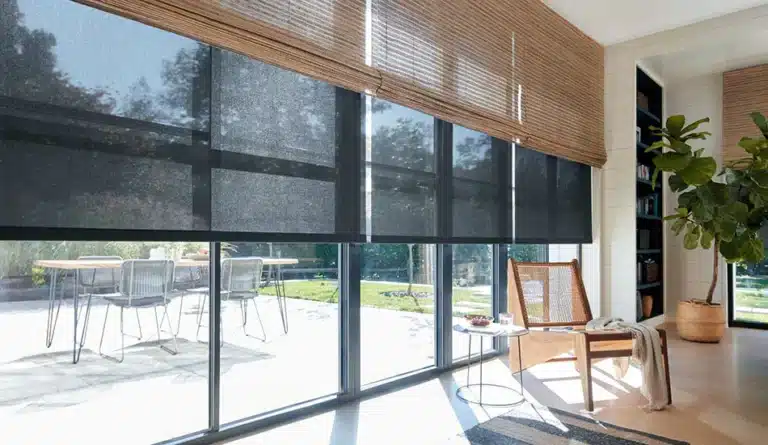
Materials have also improved. Advanced fabrics use nanotechnology, making shades more durable and resistant to wear. They filter light efficiently, reducing glare and UV exposure while maintaining natural illumination. These upgrades make automatic window shades both functional and stylish additions to any home.
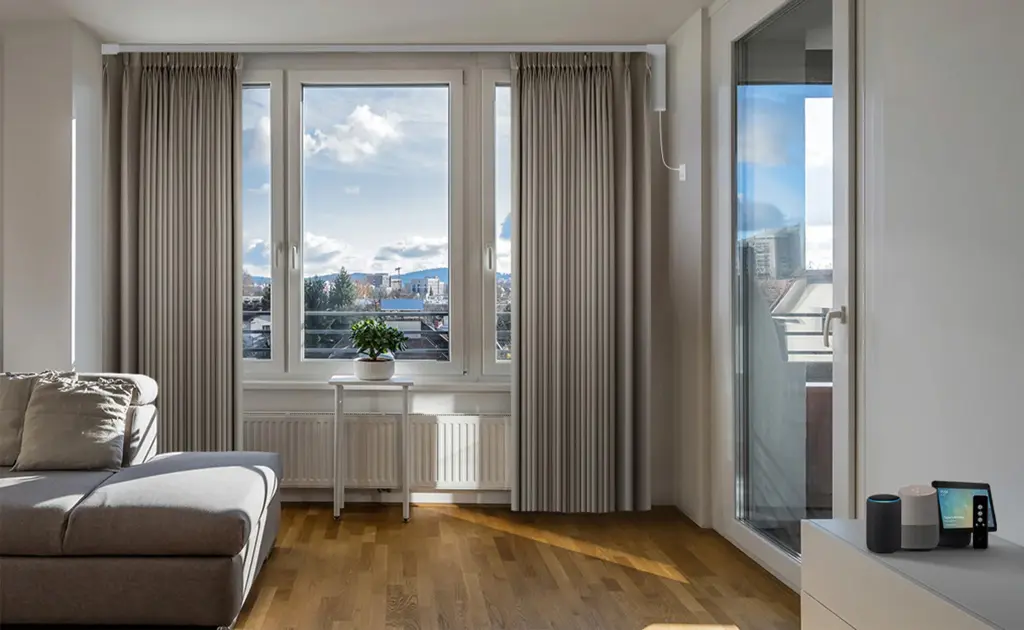
Connectivity has also expanded. Modern shades integrate with a variety of smart home ecosystems, supporting voice control, gesture recognition, and remote operation via smartphones or smartwatches. Homeowners can easily manage window coverings from anywhere, ensuring a seamless and user-friendly experience. Learn more about premium shades here.
Energy Efficiency and Smart Home Integration
Automatic window shades now play a key role in improving energy efficiency. They work alongside smart thermostats and lighting systems to reduce energy use. For example, shades automatically close during peak sunlight to keep homes cooler or open to allow natural heating. This reduces reliance on HVAC systems and artificial lighting.
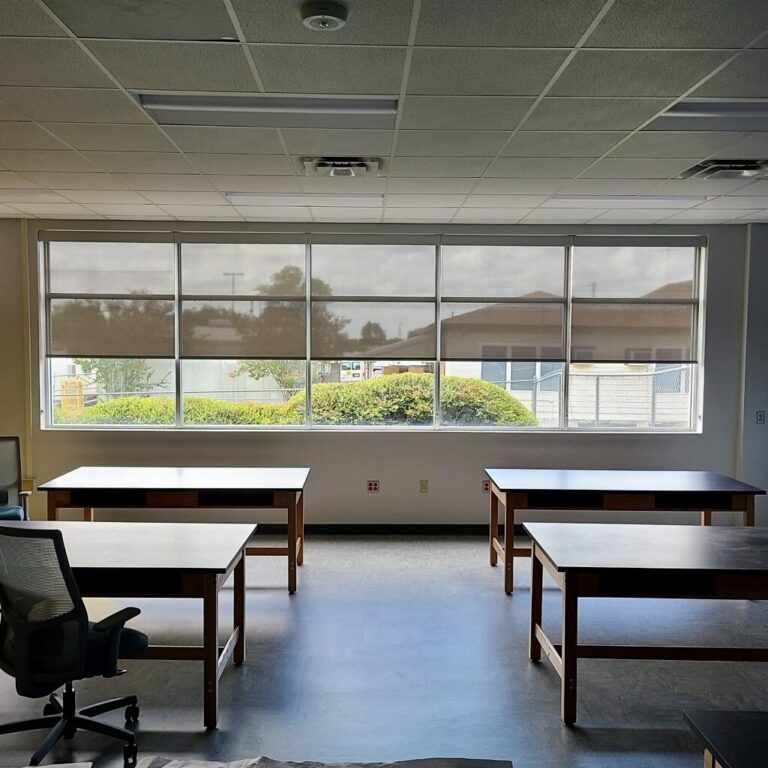
These shades can also respond to weather and environmental sensors in real time. On cloudy days, they open slightly to bring in natural light, while on sunny days, they adjust to minimize glare. Advanced scheduling allows homeowners to set shades according to daily routines and seasonal changes. Smart apps track energy use, providing insights to optimize energy savings.
Integrating automatic window shades into your smart home not only improves comfort but also supports sustainable living. For more smart home ideas, check our local solutions.
Enhancing Privacy and Style
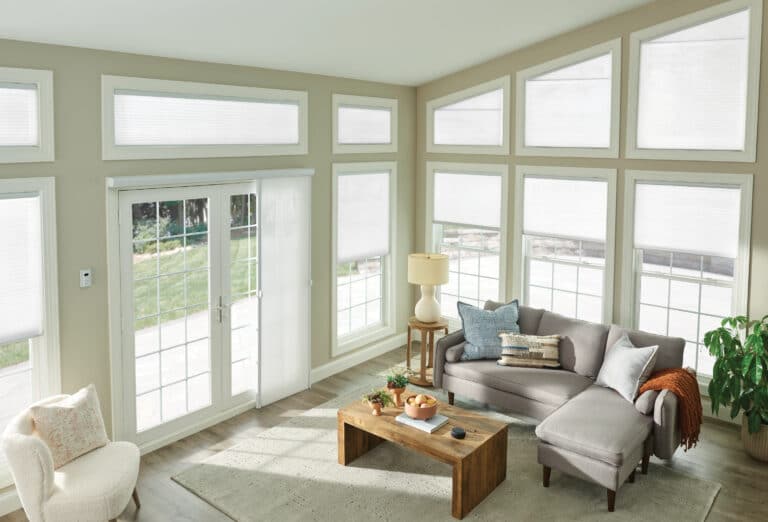
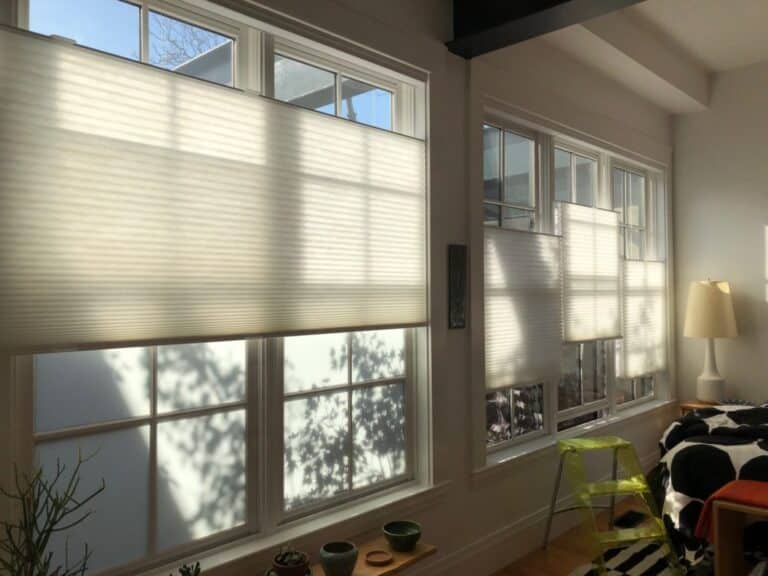
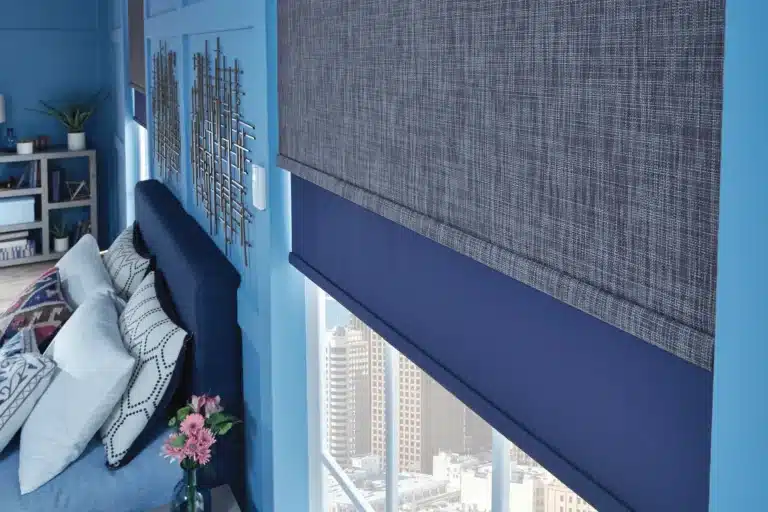
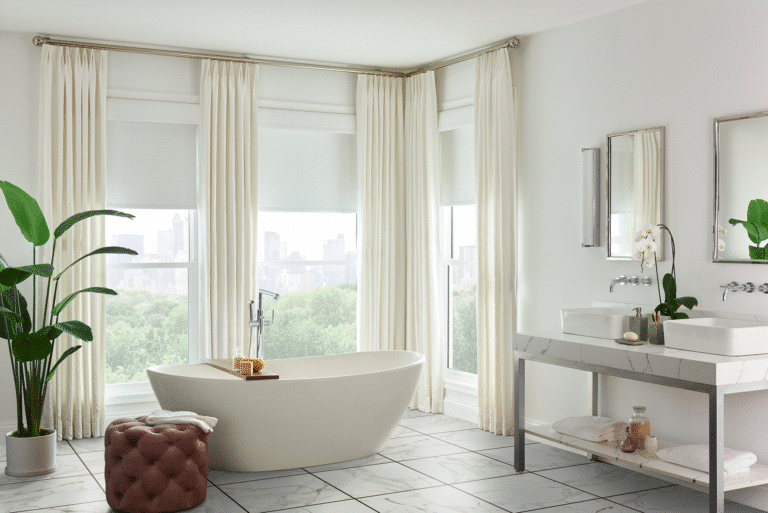
Privacy is a major concern for many homeowners. Automatic window shades address this by offering adjustable opacity and dual-layered fabrics. You can control how much light enters while maintaining privacy at different times of the day.
Aesthetic appeal is equally important. These shades come in a wide variety of colors, textures, and styles to complement any décor, from minimalist to eclectic. Many manufacturers collaborate with designers to create collections that align with current trends. For personalized homes, custom designs allow you to imprint your style directly onto your window coverings.
By combining functionality and design, automatic window shades enhance the overall look of your home while ensuring privacy and light control.
Installation and Maintenance
Installing automatic window shades in 2026 has become simpler. Many systems include easy-to-follow instructions and all necessary hardware. Smart connection features also simplify setup, ensuring smooth integration with existing home networks.
Maintenance remains straightforward. Most shades feature easy-to-clean fabrics and durable motor systems, requiring only dusting and occasional spot cleaning. Professional service packages are available for routine check-ups and technical support, ensuring your shades continue to perform efficiently.
By considering installation and maintenance, homeowners can enjoy the convenience and style of automatic window shades with minimal effort.
Automatic window shades combine technology, design, and functionality for modern living. With innovations in AI, materials, energy efficiency, and smart home integration, they have become a key component of smart homes. Understanding these advancements helps homeowners make informed decisions and enhance comfort, privacy, and sustainability.